
Hair Transplant Guide | What You Need to Know Before Procedure
‘’ This guide explains the preparation protocol for U.S. patients considering hair-transplant treatment in Dubai, including the preoperative medical evaluation, required clinical information, preparation timeline, travel planning, and follow-up arrangements. ‘’
The Five Clinical Considerations for Hair Transplant Candidacy
According to the National Institutes of Health (PMC), structural hair-loss pattern evaluation remains the primary determinant of surgical viability. As hair loss progresses, early mapping helps the surgeon plan around the patient’s current pattern and future donor needs. For U.S. patients, Enfield Royal Clinic also provides the option of a preoperative evaluation in Houston, allowing key medical and treatment considerations to be reviewed before travel to Dubai.
Hair transplant candidacy rests on five clinical considerations:
These factors determine whether surgery is appropriate, how many grafts can be considered, and how the treatment should be planned.
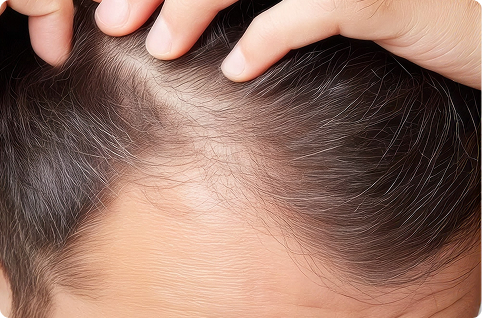
Hair-Loss Pattern
The Norwood scale classifies male pattern hair loss from Stage 1 through Stage 7. The classification helps describe recession and crown involvement, but the number alone does not determine candidacy. The clinician also evaluates:
Donor Hair Supply
The donor area provides the follicular units used for transplantation. Its density, follicular-unit quality, distribution, and available reserve influence the number of grafts that can be harvested safely. A treatment plan therefore starts with the available donor supply rather than a predetermined graft package. Factors affecting the Donor Hair Supply include

Medical Fitness
A hair transplant is a medical procedure. The clinical assessment is a necessary pre-operative step. The pre-operative assessment includes:

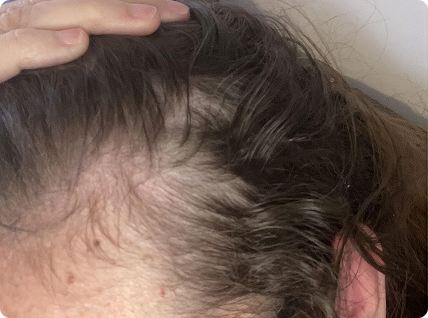
Age and Future Hair Loss
The lifetime success of a hair transplant is fundamentally predicated upon long-term donor management rather than immediate aesthetic gratification. Standard medical protocol dictates a conservative, high-recession hairline design that preserves the long-term graft budget for future mid-scalp or crown allocation.
Psychological Readiness
Hair transplantation changes appearance over time, and expectations need to match what the available donor supply and treatment plan can realistically achieve. Patients seeking a result surpassing their donor capacity need clear counseling before surgery. The consultation must therefore address

When Candidacy Needs Further Assessment
- Active scalp conditions
- Rapidly progressing hair loss
- Limited donor supply
- Uncontrolled medical conditions
- Expectations that exceed realistic coverage
Candidacy is established, therefore, through individual clinical assessment. A search result, photograph, or online calculator cannot replace the evaluation.
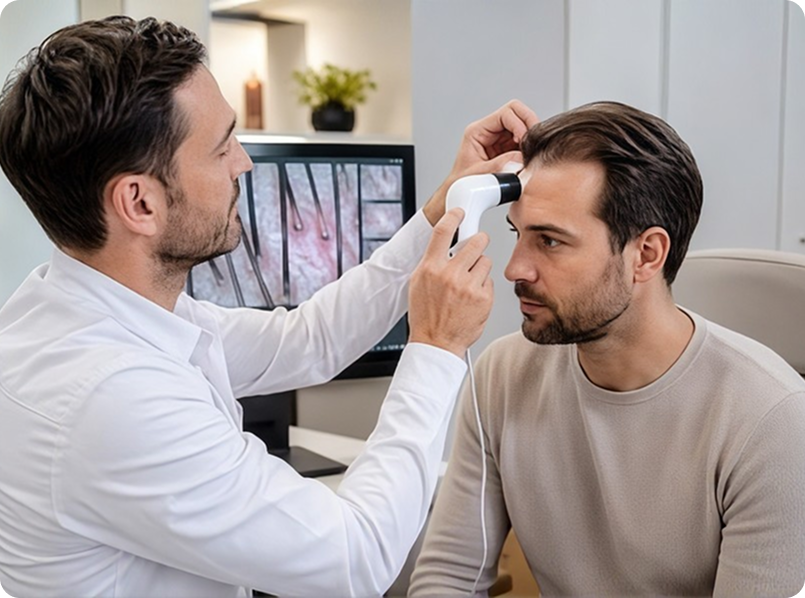
The next stage is the Houston preoperative evaluation, where the patient’s medical information, examination findings, and required investigations are reviewed before travel to Dubai.
The Houston Preoperative Evaluation Protocol

Medical Status
Medication History
Donor Adequacy
Planned Graft Numbers
Relevant Laboratory
The physical assessment then considers general medical fitness and the scalp and donor region. Hair-transplant practice guidelines recommend documenting donor adequacy, baseline vital parameters, planned hairline design, expected results, and the possibility of additional surgery as part of the preoperative record.
Medical History and Physical Assessment
- Current medications
- Allergies
- Previous surgeries
- Existing medical conditions
- Smoking and alcohol use
- Any factors that could affect surgical or postoperative risk.
Laboratory Review
Clinical history and the operating team’s protocol determine the preoperative testing. Published hair transplant guidelines describe the following among preoperative investigations
Blood Counts
Platelet Counts
Coagulation Testing
Blood Glucose
Infectious Disease
Patients with Diabetes
Additional assessment can include recent HbA1c results and coordination with the physician managing glycemic control to prevent postoperative scarring.
Cardiovascular Conditions
They may require further medical clearance and tailored surgical schedules before booking any hair transplantation procedure.
Medication Review
Medication management requires individual clinical instructions. Aspirin, warfarin, and clopidogrel can increase bleeding risk, while stopping anticoagulant or antiplatelet therapy can create a separate risk of thrombosis. Experts emphasize physician assessment instead of a universal cessation schedule.
Many published hair-transplant studies recommend reviewing
- Minoxidil
- NSAIDs / Aspirin
- Smoking
- Alcohol
- Vitamins (E / Multivitamins)
- Herbal Preparations
The exact timing depends on the medication, the patient’s medical history, and the operating physician’s instructions.
Patients, therefore, need not stop taking prescribed anticoagulants, antiplatelet drugs, antihypertensives, diabetes medication, or other long-term treatment without instructions from the physician managing that medication.
When the Evaluation Changes the Plan
A preoperative assessment can produce three practical outcomes.
Outcome A
Cleared for Surgical Planning
The diagnosis is established, donor supply is adequate, medical considerations are addressed, and expectations align with achievable coverage.
Outcome B
Further Evaluation Required
The assessment identifies an unresolved medical, dermatologic, diagnostic, or medication issue. Surgery remains under consideration while the relevant issue receives appropriate clinical review.
Outcome C
Surgery Deferred
The patient’s donor reserve, disease pattern, medical status, or expectations make immediate transplantation inappropriate. Deferral protects the patient from committing finite donor follicles to a plan that lacks adequate long-term support.

Clinical Core Principle
“The objective here is never to maximize the number of patients who reach the operating room. It is to determine whether the proposed procedure makes clinical and long-term sense for the individual patient.”
Clinical Handoff to Dubai
The Houston evaluation becomes clinically useful when its findings reach the Dubai surgical team before travel. The patient record can include
- Medical history
- Examination findings
- Laboratory results
- Medication information
- Standardized photographs
- Donor assessment
- Proposed graft range
- Documented expectations
The Dubai surgeon then reviews the available information against the planned procedure. Hair-transplant practice guidelines identify
Step 01
Preoperative diagnostic evaluation
Step 02
Surgery planning
Step 03
Hairline design
Step 04
Graft harvesting
Step 05
Recipient-site creation
Step 06
Postoperative care

Clinical Core Principle
“The objective here is never to maximize the number of patients who reach the operating room. It is to determine whether the proposed procedure makes clinical and long-term sense for the individual patient.”
What the Patient Should Receive Before Departure
- Medical history and current medications
- Required laboratory results
- Proposed treatment plan and estimated graft requirements
- Medication and preparation instructions
- Contact details for the Dubai surgical team
- Relevant examination findings
- Current scalp and donor-area photographs
- Hairline design and expected coverage
- Required medical clearances or specialist opinions
- Instructions for any unresolved clinical issue
The Dubai surgeon then reviews the available information against the planned procedure. Hair-transplant practice guidelines identify
“The purpose of the Houston stage is therefore straightforward: Resolve clinical questions before the patient travels to Dubai. Then give the operating surgeon the information the surgeon needs to assess and plan the procedure.”
“The purpose of the Houston stage is therefore straightforward: Resolve clinical questions before the patient travels to Dubai. Then give the operating surgeon the information the surgeon needs to assess and plan the procedure.”
What the Patient Should Receive Before Departure
40% of surveyed US adults with hair loss report feeling less attractive as hair loss progresses, while 33% report reduced confidence. Hair transplantation therefore involves an aesthetic decision with a measurable psychological dimension.
US SURVEY METRIC
Report feeling less attractive as hair loss progresses.
SELF-ESTEEM TRAJECTORY
Report reduced confidence during ongoing pattern progression.
Expectations Befor e Surgery

A hair transplant redistributes existing donor hair. It does not restore the density of a full adolescent scalp. Donor availability, hair caliber, curl pattern, scalp characteristics, age, and the extent of hair loss constrain the final result.
The consultation should establish these boundaries before travel. The surgeon assesses the existing hairline, donor region, recipient area, projected future loss, and realistic graft requirements.
4 evaluation parameters define the clinical hair transplant assessment protocol conducted by Dr. Homaira Ahmed and examining physicians, who evaluate physiological parameters to align patient expectations with donor capacity. 76.9% of surgical candidates consult between Norwood Scale Stage 2 and Stage 4. Accurate clinical mapping prevents donor area exhaustion and establishes realistic post-operative coverage.
4
evaluation parameters form the primary basis of Dr. Ahmed’s anatomical diagnostic protocol.
76.9%
Of surgical candidates present with hair loss categorized within Norwood Stages 2 to 4.
| Clinical Assessment Question | Parameter Established by Dr. Houmaira Ahmed | Diagnostic Relevance |
|---|---|---|
| How much donor hair is available? | Approximate graft reserve | Quantifies safe donor area, averaging 2,083 grafts per primary session. |
| How much coverage is required? | Priority restoration zones | Maps scalp surface area against target follicle density. |
| How may hair loss progress? | Long-term design constraints | Evaluates androgenic alopecia trajectories to prevent unnatural hair placement. |
| What outcome does the patient expect? | Realism of target density | Validates patient expectations against finite donor reserves. |
The 12-Month Emotional Arc
Month 0 to 1
Recovery & Observation
Month 0 to 1
Recovery & Observation

Month 0 to 1
Recovery & Observation
Month 0 to 1
Recovery & Observation

What Are The Psychological Red Flags
Expectation management also identifies circumstances that warrant additional discussion before surgery. Clinical literature identifies unrealistic expectations and psychological factors among considerations in surgical candidacy.

The decision should pause when a patient
- Expects density exceeding available donor supply
- Demands hairline inconsistent with age or projected loss
- Expects complete symmetry
- Treats surgery as solution to relationship/career/social problems
- Remains dissatisfied with previous cosmetic procedures without accepting technical explanations
- Shows signs of body dysmorphic concerns requiring specialist assessment
A screening discussion does not diagnose a psychiatric disorder. It identifies whether the patient’s expectations require further clinical evaluation before an elective procedure.
The Baseline That Makes Progress Measurable
Standardized photography creates the reference point for the entire treatment. The experts recommend preoperative photographs from standardized positions, including frontal, oblique, vertex, and chin-to-chest views.
The same photographic positions should be repeated during follow-up. Consistent lighting. Distance, camera position, hair condition, and angle make comparisons more meaningful than casual smartphone photographs taken under changing conditions.
The patient should therefore judge progress against the documented baseline and the surgeon’s planned timeline. Online photographs rarely provide the same controls.




When Preparations Should Stop
A responsible preparation protocol includes the option to postpone surgery. Medical history, medications, smoking, alcohol consumption, chronic disease, bleeding risk, and psychological readiness can alter the decision to proceed. These factors require individualized physician assessment rather than a universal clearance rule.
The Houston evaluation by Dr. Homaira Ahmad, therefore, serves a clinical purpose, not travel administration. It allows the patient to resolve medical questions, verify the surgical plan, and identify issues that require treatment or further assessment before traveling to Dubai.
For a U.S. medical tourist, that decision point matters. The cost of delaying a procedure is measurable. The cost of traveling thousands of miles for a procedure that should have been postponed is higher.
The 14-Day Preparation Timeline
14 days before a Dubai hair transplant marks the point when medical preparation, travel planning, and surgical instructions need to converge. The exact timeline varies based on the patient’s medication, health status, procedure, and the surgeon’s protocol. A fixed cessation schedule should therefore never replace individualized medical instructions.
14 Days Prior
Medication Audit & Lifestyle Adjustments

7 Days Prior
Verify Lab Clearance & Travel Dossier

48 Hours Prior
Scalp Hygiene & Flight Prep
The 14-Day Preparation Timeline
14 days before a Dubai hair transplant marks the point when medical preparation, travel planning, and surgical instructions need to converge. The exact timeline varies based on the patient’s medication, health status, procedure, and the surgeon’s protocol. A fixed cessation schedule should therefore never replace individualized medical instructions.
14D Cessation
High-Risk Pharmaceuticals Audit
14D Cessation
High-Risk Pharmaceuticals Audit
14D Cessation
High-Risk Pharmaceuticals Audit
7 Days Before: Confirm Medical Clearance
Before traveling abroad, the patients should inquire about who will perform the surgery and investigate the physician’s training and qualifications before committing to treatment.
Confirmation Checklist:
- The Dubai surgeon responsible for the procedure
- Clinic location and appointment time
- Planned and estimated graft range
- Postoperative contact pathway
- Transport arrangements between airport, hotel, clinic
- Documents required for medical and travel itinerary
Frequently Asked Questions
How much does a hair transplant cost in Dubai?
The cost depends on the graft requirement, treatment technique, clinical complexity, and services included in the quotation. Enfield Royal Clinic currently publishes hair-transplant pricing from AED 7,000, with graft-based estimates increasing as treatment scope increases. U.S. patients should compare the complete treatment fee, aftercare, travel, accommodation, and follow-up rather than the headline starting price alone.
How many grafts will I need?
Your graft requirement depends on hair-loss pattern, donor density, recipient area, desired coverage, and future hair loss. The ISHRS 2025 Practice Census reports an average of 2,347 grafts for a first surgical procedure among responding physicians. That figure provides clinical context, not an individual recommendation. Your final graft estimate requires a scalp and donor-area assessment.
Who performs the surgery: the surgeon or technicians?
Ask the clinic to identify the named physician responsible for each surgical stage, including diagnosis, hairline design, extraction, recipient-site creation, graft placement, and postoperative care. ISHRS advises patients to establish who performs the surgery and to understand the role and qualifications of every person involved.
How do I verify a Dubai clinic's DHA licence?
Verify the clinic’s DHA license, the treating physician’s professional registration, and any relevant hair-transplant privileges before travelling. Dubai’s health regulatory system provides professional licensing and verification through its regulatory services. Ask the clinic to provide the physician’s full name and licence details so you can verify the information independently.
Is Dubai safe for hair transplants?
Safety depends on the licensed facility, qualified clinical team, surgical responsibilities, infection-control standards, informed consent, and continuity of care. Patients travelling abroad should verify the provider before committing to treatment and establish how postoperative concerns will be managed after returning home.
Dubai vs Turkey: Which is better for U.S. patients?
There is no universal answer. The relevant comparison includes clinical credentials, regulation, surgeon involvement, treatment scope, travel requirements, follow-up access, and total cost. Turkey may offer lower advertised prices, while Dubai can provide a different regulatory and travel framework. U.S. patients should compare the complete care pathway rather than selecting a destination on price alone.
What should I stop before a hair transplant?
Medication and lifestyle preparation depend on your medical history and the surgeon’s protocol. Anticoagulants, antiplatelet drugs, NSAIDs, supplements, nicotine, alcohol, and topical hair-loss treatments may require review. Never stop prescribed medication independently. Your treating and prescribing physicians should determine whether any adjustment is appropriate.
When can I fly home after a hair transplant?
Your treating clinician should determine when you are fit to travel based on the procedure, healing progress, medical history, and postoperative findings. Do not use a generic online timetable as clearance for an international flight. Confirm the return itinerary with the Dubai surgical team before departure.
How long do I need to stay in Dubai?
The required stay depends on the procedure, arrival schedule, postoperative review, and travel clearance. Many international patients plan several days around treatment, but the clinic should confirm the appropriate itinerary for your individual procedure rather than applying a fixed stay to every patient.
Do I need blood tests before a hair transplant?
Preoperative testing depends on the patient’s health history and the surgical team’s requirements. Hair-transplant guidance describes investigations such as blood counts, platelet counts, coagulation testing, glucose assessment, and selected infectious-disease screening where clinically appropriate. Your physician determines which tests you need and interprets the results before surgery.
What happens if something goes wrong after I return to the United States?
Contact the Dubai clinical team using the postoperative communication pathway provided before departure. For urgent symptoms, seek appropriate medical care in the United States without waiting for a remote response. Keep your procedure summary, graft information, medication list, and postoperative instructions available for the U.S. healthcare provider.
Can I get a hair transplant if I take blood thinners?
Possibly, but the decision requires individual medical assessment. Warfarin, clopidogrel, aspirin, and direct oral anticoagulants carry different risks and cannot be managed through one universal stop date. Your prescribing physician and hair-transplant surgeon should coordinate any medication changes before treatment.
Start Your Hair Transplant Consultation in Houston, U.S
Start your treatment with a clear clinical plan, not a flight booking. Share your hair-loss history, treatment goals, previous procedures, and preferred travel timeframe with Enfield Royal Clinic Dubai. The team can review your information, explain the consultation process, and outline what needs to be assessed before you travel from the United States.