
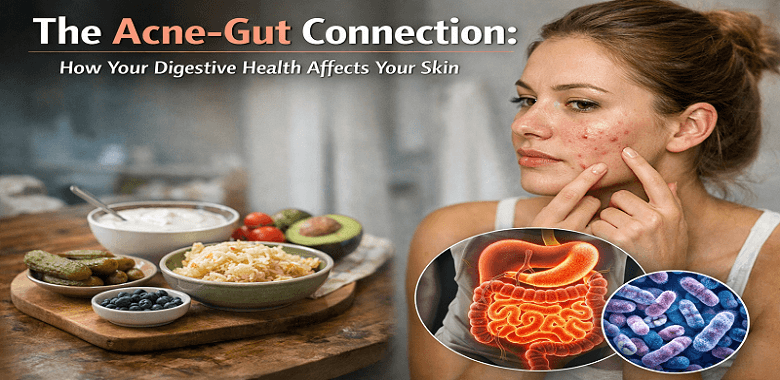
Dealing with acne is annoying; however, while it’s paired with problems like a receding hairline, thinning hair, or premature baldness, the emotional toll can be even heavier. Many people pay money for costly skin care products, serums, and treatments, only to see temporary or no outcomes at all. The cycle of wish and dissatisfaction can deeply impact self-assurance, social life, and intellectual well-being.
What’s often disregarded is that skin and hair are both reflections of inner health. Persistent acne, continual inflammation, or even hair loss might not be precipitated solely by clogged pores or genetics. In many cases, the entire issue lies more in-depth within the digestive system.
Research indicates a strong link between intestinal health and skin conditions, in particular pimples. Generally known as the Acne-Gut Connection, explains why people with digestive troubles often battle with long-term skin issues. Comprehending this connection can help shift the focus from surface-level remedies to a greater, holistic, root-motive method.
The gut-pores and skin axis is the communication community among your digestive system and your skin. Your intestine isn’t just responsible for breaking down meals; it plays a crucial position in immune function, hormone balance, and infection management.
Inside the intestine lives the gut microbiome, a complicated ecosystem of trillions of microorganisms, fungi, and other microorganisms. When this microbiome is wholesome and balanced, it helps:
However, when the intestinal microbiome becomes imbalanced, it could send misery alerts at some stage in the body, including to the pores and skin.
Acne is basically an inflammatory condition. While bacteria, oil manufacturing, and clogged pores play a role, systemic irritation often determines how excessive and continual acne becomes. Poor digestive fitness can contribute to acne in the following ways:
This describes why pimples worsen along with bloating, acidity, constipation, or abnormal bowel movements.
Two not-unusual intestine-related problems are strongly connected to pimples:
Dysbiosis takes place while harmful micro organism outnumber beneficial ones. This imbalance can:
A weakened gut lining permits undigested meal particles and pollutants to leak into the bloodstream. This causes substantial infection, which regularly manifests as:
Over time, this inflammation can have an effect on hair follicles, contributing to hair thinning and scalp issues.
Many remedies awareness focuses only on the skin’s surface, cleansers, lotions, spot remedies, and medicinal drugs. While these can also help control signs and symptoms temporarily, they do not cope with the internal triggers coming from the gut. This is why acne regularly occurs:
Without enhancing digestive fitness, long-term skin readability becomes hard to achieve.
Your skin announces whatever is wrong with your body. Recognizing those symptoms early will let you address the foundational purpose rather than treating signs and symptoms.
One of the clearest signs of gut-related trouble is pimples that refuse to improve, regardless of how many products you try.
Characteristics of Gut-Related Acne are:
Your skin rarely suffers on its own. If acne takes place collectively with digestive issues, it’s a robust sign that the intestine can be involved.
Common Digestive Symptoms Linked to Acne are:
Poor intestinal health doesn’t best trigger acne; it is able to cause several inflammatory skin conditions.
Skin Issues Commonly Linked to Gut Imbalance are:
When digestion is impaired, the body struggles to absorb crucial vitamins along with:
This could make the skin look worn-out and elderly, even in younger individuals.
If skin infections are being driven by poor digestive health, then food turns into one of the most effective tools for healing. What you devour directly influences your gut microbiome, infection levels, hormone stability, and nutrient absorption, all of which affect pimples and healthy skin.
Every meal you devour either:
Over time, inflammatory ingredients can damage the intestinal barrier and disrupt microbiome balance, leading to persistent acne. On the other hand, intestine-recovery meals help calm irritation and repair pores and skin clarity.
Probiotics are live useful microorganisms that help:
By restoring healthful intestine vegetation, probiotics can appreciably lessen breakouts connected to internal infection.
Regular intake supports a numerous microbiome, which is crucial for lengthy-time period intestine and skin health.
Chronic infection is considered one of the most important drivers of pimples. Anti-inflammatory meals calm the immune response and help skin restore. Key Anti-Inflammatory Foods
These meals help lessen redness, swelling, and acne-related inflammation whilst improving average skin texture.
While all people react in another way, a few foods generally disrupt intestinal health and cause acne. Potential Acne-Triggering Foods are:
These foods can:
Reducing, not necessarily putting off, those ingredients can result in major skin improvements.
If you’ve tried skin care products, a weight-reduction plan, and lifestyle adjustments but still struggle with persistent acne, expert guidance could make a real difference. Acne treatments in Tomball customized to your skin type can deal with visible breakouts and underlying causes. Book your consultation call and consult a certified physician for effective acne solutions.
Let Us Know Where to Send Your Code
Valid once per new client. Expires in 30 day