


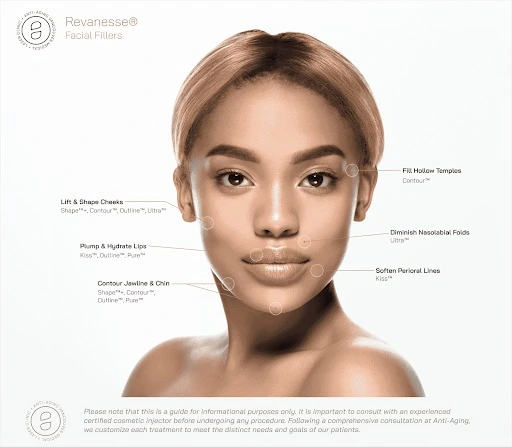
Facial fillers are often seen as a one-size-fits-all solution for wrinkles, but they’re far more nuanced than that. These non-invasive treatments can genuinely transform your appearance and boost confidence when chosen correctly. This guide explains how fillers work, the types available, their benefits and risks, and how to select the right treatment for your unique goals.
| Point | Details |
| Volume restoration | Fillers add volume, smooth wrinkles, and enhance facial contours through injectable substances. |
| Hyaluronic acid dominance | HA fillers are most common, providing immediate visible results with 6 to 18 month duration. |
| Variety matters | Different fillers vary in density, longevity, and application areas, requiring expert matching to goals. |
| Risk awareness | Risks include bruising and rare severe complications like vascular occlusion, requiring expert injection. |
| Personalized selection | Choosing the right filler depends on individual anatomy, skin condition, and aesthetic objectives. |
Facial fillers restore youthful volume and contour by literally filling spaces beneath your skin. Hyaluronic acid (HA) is the main component, a naturally occurring substance in your body that holds moisture and supports tissue structure. When injected, HA fillers immediately plump targeted areas, creating visible improvement within minutes.
The science behind these treatments goes beyond simple volume addition. HA fillers also increase skin hydration and elasticity, improving overall skin quality in treated areas. Your body gradually absorbs the filler material over time, which is why treatments aren’t permanent.
Most HA fillers deliver results lasting six to 18 months, though duration varies based on several factors:
Some advanced fillers work differently by stimulating your body’s natural collagen production rather than just adding volume. These biostimulators create gradual, longer lasting improvements but require patience and multiple sessions.
Pro Tip: Understanding filler composition helps you set realistic expectations for results and maintenance schedules before committing to treatment.
The molecular structure of HA allows it to bind with water molecules, creating a gel-like substance that mimics natural tissue. This biocompatibility reduces rejection risks and makes HA fillers reversible with an enzyme called hyaluronidase if you’re unhappy with results. Explore various treatments overview to see how fillers fit into comprehensive facial rejuvenation.

Not all fillers are created equal. The cosmetic industry offers numerous options, each designed for specific purposes and facial regions. Understanding these differences helps you make informed treatment decisions.
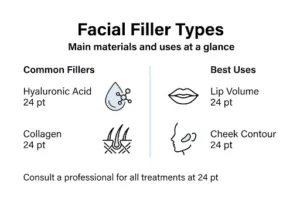
Different HA fillers have varying densities, affecting where they work best on your face. Thicker formulations excel at deep volume restoration in cheeks or jawline, while thinner versions smooth fine lines around eyes and lips. Your injector matches filler viscosity to treatment depth and area.
| Filler Type | Primary Use | Duration | Treatment Sessions |
| Thin HA fillers | Fine lines, superficial wrinkles | 6 to 9 months | Single session |
| Thick HA fillers | Cheek volume, jawline definition | 12 to 18 months | Single session |
| Biostimulators | Collagen production, overall rejuvenation | 2+ years | Multiple sessions |
| Calcium-based | Deep facial volume, hand rejuvenation | 12 to 18 months | 1 to 2 sessions |
Biostimulators represent a different approach to facial enhancement. Rather than immediate volume, these treatments stimulate collagen gradually over months, creating natural looking improvements that develop slowly. They typically require three to four treatment sessions spaced weeks apart, but results can last two years or longer.
The choice between instant gratification and gradual transformation depends on your goals:
Pro Tip: Schedule treatments at least two weeks before important events to allow any swelling or bruising to resolve completely.
Your injector evaluates facial anatomy, skin thickness, and aging patterns to recommend appropriate filler combinations. Check out different types of treatments available for your specific concerns and aesthetic goals.
Facial fillers offer transformative benefits when administered properly, but like any medical procedure, they carry risks you should understand before proceeding. Balancing potential rewards against complications requires honest discussion with qualified professionals.
The advantages of filler treatments extend beyond mere appearance. Many patients report significant confidence boosts and improved social interactions after addressing features that bothered them. Dermal fillers have become increasingly popular precisely because they deliver noticeable improvements without surgery, downtime, or general anesthesia.
Benefits include:
However, adverse events range from bruising to severe vascular occlusions, though serious complications remain rare with experienced injectors. Common side effects like swelling, bruising, and tenderness typically resolve within days. More concerning issues include nodules, asymmetry, infection, or accidental injection into blood vessels causing tissue damage.
“Proper patient selection and thorough understanding of facial anatomy are crucial for natural-looking, safe outcomes.”
Expert injectors minimize risks through:
The medial face region carries higher risk due to complex vascular anatomy. Your provider should explain specific risks for your chosen treatment areas and discuss their complication management protocols. Transparency about potential problems demonstrates professionalism and builds trust.
Realistic expectations matter too. Fillers enhance your natural features but won’t transform you into someone else or reverse decades of aging instantly. Review special offers that make expert treatments more accessible while maintaining safety standards.
Selecting appropriate fillers requires professional evaluation beyond what online research can provide. Your unique facial structure, skin condition, and aesthetic goals all influence which products and techniques will serve you best.
Choosing between hyaluronic acid fillers and biostimulators requires individualized evaluation by a certified dermatologist who examines your face in person. They assess factors like skin thickness, bone structure, fat distribution, and aging patterns to create customized treatment plans.
Follow these steps for optimal filler selection:
Modern facial rejuvenation rarely relies on fillers alone. Combining fillers with collagen stimulators, botulinum toxin, and energy-based devices creates comprehensive improvements addressing multiple aging signs simultaneously. Your provider might suggest pairing fillers with treatments that tighten skin, reduce wrinkles, or improve texture.
Pro Tip: Bring reference photos showing looks you admire, but remember your provider will adapt approaches to your anatomy rather than copying someone else’s results.
Treatment plans should balance immediate needs with sustainable maintenance. Starting conservatively allows you to assess how you respond to fillers before committing to more extensive treatments. Regular follow-ups ensure results remain natural as your face continues aging.
Consider these factors during filler selection:
Explore comprehensive treatment options and meet our doctors who bring extensive experience to personalized filler treatments and facial rejuvenation.
Now that you understand how facial fillers work and what makes treatments successful, you’re ready to explore expert options tailored to your goals. Enfield Royal Med Spa offers personalized facial filler treatments administered by experienced, board-certified doctors who prioritize natural looking results and patient safety.
Our specialists take time understanding your unique concerns and facial anatomy before recommending specific our facial filler treatments designed for your situation. Whether you’re interested in subtle enhancement or more comprehensive rejuvenation, our experienced dermatologists provide honest guidance and expert technique.
Explore current offers that make professional facial filler treatments more accessible while maintaining the highest safety and quality standards. Your journey to confident enhancement starts with a consultation where we answer questions and create customized treatment plans.
Most facial fillers contain hyaluronic acid, a naturally occurring substance in your body that holds moisture and supports skin structure. Other formulations include calcium hydroxylapatite for deeper volume restoration and poly-L-lactic acid that stimulates collagen production gradually.
Results vary based on filler type and treatment area. Hyaluronic acid fillers generally last six to 18 months, with thicker formulations lasting longer than thin ones. Biostimulators can provide results for two years or more but require multiple treatment sessions.
Facial fillers are generally safe when administered by qualified professionals, though all medical procedures carry some risk. Common side effects include temporary bruising, swelling, and tenderness. Rare but serious complications like vascular occlusion can occur, which is why choosing experienced injectors matters significantly.
Choosing the right filler requires professional evaluation of your facial anatomy, skin condition, and aesthetic goals. Board-certified dermatologists assess factors like treatment area depth, desired duration, and your individual aging patterns to recommend appropriate products. Consultation ensures filler selection matches your specific needs.
Yes, combining fillers with other treatments often produces superior results. Many providers pair fillers with botulinum toxin to address both volume loss and dynamic wrinkles, or add energy-based devices for skin tightening. This multimodal approach comprehensively addresses various aging signs for natural looking facial rejuvenation.