

Acne Treatment Rockledge,FL
What makes Enfield Royal Med Spa the top choice for acne treatment in Rockledge?
- Professional Acne Care: All acne treatments are supervised by licensed skin care professionals with in-depth expertise in medical and aesthetic dermatology
- Personalized Treatment Approach: Our treatments target underlying causes such as hormonal imbalance, excess sebum, bacterial growth, and inflammation for long-term acne clearance.
- Advanced Therapies: We use FDA-approved lasers, chemical peels, and medical devices to treat active acne and prevent scarring. These innovations allow faster healing compared to traditional solutions.
- Safe Treatments for All Skin Types: Our protocols are carefully adapted for sensitive and darker skin tones, minimizing the risk of post-inflammatory hyperpigmentation. Safety remains our top priority.
- Clinically Proven Results: Our treatments are backed by medical evidence and clinical outcomes. Many patients experience visible improvement in acne severity within a few sessions.
- High Standards of Hygiene: All procedures are performed in a sterile, medical-grade environment. We strictly follow infection control and international safety protocols.
- Transparent Pricing: We provide clear treatment plans with no hidden costs. Our specialists recommend only what your skin truly needs, ensuring ethical and transparent care.

Are you struggling with persistent acne on different facial areas? Have you tried every home remedy, but they are just increasing and causing pain? You might be suffering from bacteria! If you are a resident of Rockledge, then you may not need to worry anymore because Enfield Royal Clinic is now serving Rockledge and Tomball after successful and multiple client records in Dubai.
At Enfield Royall Med spa, rather than suggesting traditional and ineffective acne creams and face washes, our dermatologist,MD. Madhannagari Reddy offers clinically graded acne therapies, which will provide real and lasting results for all types of breakouts. Our team will figure out the exact cause of your acne, target the cause, and then create a unique treatment strategy to target acne without any scar or scab formation.
What is acne?
Acne is a common medical condition that occurs in young people. Occasionally, it may affect all age groups. It happens when pores become blocked with oil and dead skin cells. As a result, whiteheads or blackheads appear on the skin. Various factors contribute to the development of acne. The primary causes include excess oil production, which increases the risk of acne. If an increased bacterial activity on the skin occurs, acne may develop. Furthermore, if a patient has dead skin cells, acne may develop.
Acne vulgaris affects roughly 85% of people aged 12 to 24 worldwide, with 40-50% of adults aged 20 to 40 experiencing persistent clinical symptoms (Bhate and Williams, 2013). Accurate diagnosis, evidence-based therapies, and inflammatory cascades are required for effective therapy.
How do hormonal changes and lifestyle factors influence acne occurrence?
Acne is a common skin ailment that affects people of varying ages. Acne is caused by a variety of factors, including hormonal fluctuations, a genetic predisposition, and natural effects.
- Abnormal keratinocyte proliferation obstructs pilosebaceous units and forms 81% of comedogenesis susceptibility.
- Androgen-mediated sebum production rises 2-3 fold in acne patients, and in clinical measurements, it correlates with acne severity (r=0.78, p<0.01).
- : Cutibacterium acnes density reaches 10⁵-10⁶ CFU/cm² in acne lesions. Strain variations enhance inflammatory potential.
- Inflammatory Mediators: IL-1α, TNF-α, and matrix metalloproteinases create perifollicular inflammation preceding visible lesions.
Triggering Factors:
Understanding these many factors is essential for thoroughly treating and managing skin irritation.
- Abundant sebum production
- Obstructed hair follicles caused by dead skin cells, oil, and microscopic organisms
- Expansion of Propionibacterium acnes microscopic organisms
- Hormonal changes throughout puberty, the female cycle, pregnancy, and diseases like PCOS. It affects 80% of female acne patients.
- Hereditary tendencies
- Inflammatory responses can cause sores such as papules, pustules, and knobs.
- Dietary factors, for certain studies, propose a link to specific food sources.
- Impact of cosmetic and hair care products containing pore-obstructing or bothersome chemicals
Benefits of Acne Treatment:
There are numerous benefits to Acne Treatment Rockledge. Below are some advantages for you:
- Primarily, choosing an effective treatment will eliminate blemishes by cleaning up the skin and preventing future outbreaks.
- It can successfully remove and heal dark, pigmented patches or scars from your skin while preventing new ones from emerging.
- Furthermore, it lowers pain, inflammation, and infection, which can cause you emotional dissatisfaction and mental distress.
- It may have a big influence on your self-esteem because of its exposure; cleansing can help you create a more positive image.
- Early treatments can prevent scarring and address any underlying conditions, hence maintaining skin health.
- A quick response can prevent the issue from deteriorating and resulting in further difficulties.
- Finally, it considerably enhances your general facial skin health and aesthetic appearance to fit your ideal.
What Are The Symptoms Of Acne?
Signs of acne depend on several conditions:
- Pusbumps.
- Puss or pimples.
- Closed pores that are blocked are also known as white spots.
- Black spots, also called open pores, are clogged.
- Huge painful pus that is filled with lumps.
As soon as the applicant notices acne signs, it is advised that the candidate consult with a specialist and seek their assistance; do not allow this issue to govern your emotional and mental health.
| Type of Acne | Description |
|---|---|
| Types of Acne | Not all pimples are the same. From tiny bumps to agonizing cysts, acne comes in many forms. Before treating acne, it is necessary to spot the different types that can impact your skin. |
| Non-Inflammatory Acne | These are comedonal acne. Blackheads (open comedones) and whiteheads (closed comedones) appear when pores are blocked with oil and dead skin cells. The T-zone, i.e., the forehead, nose, and chin, are common problem areas for comedonal acne. Consistent gentle exfoliation can help clear and smooth the skin. |
| Inflammatory Acne | Inflammatory acne forms when clogged pores become inflamed and infected with bacteria, which triggers red, inflamed, and painful breakouts. These are usually papules and pustules. Papules are mini, red bumps, not filled with pus. May feel sore or tender to the touch. While pustules may resemble other breakouts, their visible white or yellow head, showing a pus-filled center result in a red, puffy, and angry appearance. |
| Cystic Acne | It is a severe form of inflammatory acne that appears when hair follicles become deeply blocked with oil, bacteria, and skin debris, resulting in large, painful, inflamed bumps beneath the skin. These stubborn breakouts need more time to heal than regular pimples. |
| Nodular Acne | It is also an intense form of inflammatory acne that develops deep beneath the skin. It causes visible pimples on the surface and deep, sore lumps below the skin. Unlike surface breakouts, they can take weeks to heal and may leave scars if left untreated. |
Who is an Ideal Candidate for Acne Treatment?
You may benefit from professional Acne Treatment if you:
- Struggling with persistent breakouts that do not respond to over-the-counter products
- Experience frequent clogged pores, blackheads, or whiteheads
- Have skin that is prone to flare-ups or sensitive and needs expert care
- Experience breakouts triggered by hormones, stress, or lifestyle factors
- Want a personalized, doctor-supervised treatment for long-lasting results
A professional consultation helps assess the most appropriate acne treatment according to your acne level and personal needs, guaranteeing gentle and result-driven care.

Madhannagari Reddy, MD
MD. Madhannagari Reddy has a vast knowledge and expertise in the area of aesthetics. His motto is to make people confident and feel good by allowing them to have safe, modern, and personalized aesthetic care.

Eva Acevedo, FNP-C
Ms. Eva Acevedo is a dermatology practitioner who has a background in medical dermatology and a passion for aesthetics. Focusing on preventative skincare, injectables (Botox and fillers)….
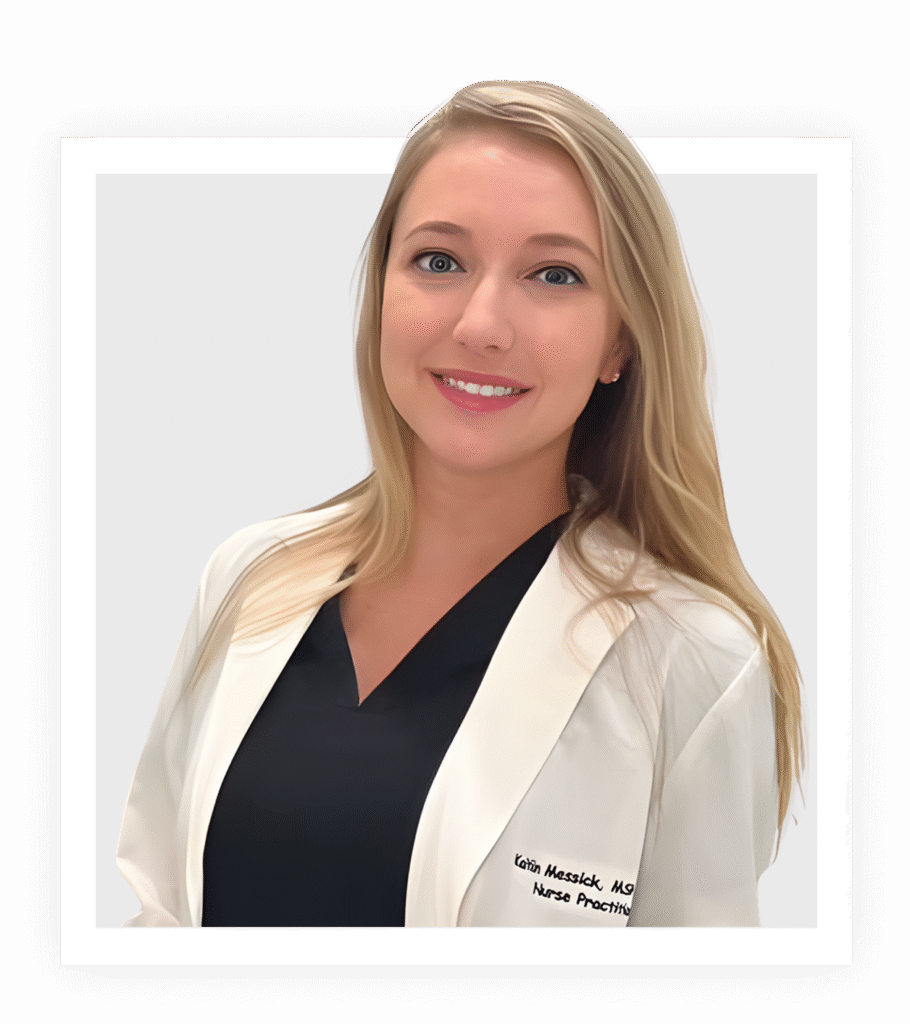
Kaitlin Messick - FNP
Types of Acne Treatments at Enfield Royal Medspa:
If you are diagnosed with acne and the doctor’s proposed lifestyle changes have not been responsive, consider the following treatment options:
Topical Medication
The providers commonly suggest the following four steps under topical medication:
- If you have moderate acne, try retinoids or retinoid-like drugs. These are available in cream, gel, and lotion types. Apply in the evening 2–3 times per week initially. Once your skin adjusts, it can be used nightly.
- If excess bacterial activity is causing bumps on your skin, you can use antibiotics to kill them. This medication type appears to be more effective as an acne treatment. You can use it in the morning while taking the retinoids in the evening. This approach also helps reduce the risk of antibiotic resistance.
- Another option to treat acne is azelaic acid, also backed by salicylic acid. Azelaic acid is a naturally occurring compound used in acne treatment. If this acid is used 2 times a day, it may be as effective as conventional acne therapy. The acid comes in gel and cream forms. Azelaic acid is also prescribed during pregnancy and breastfeeding.
- If you suffer from inflammatory acne, Dapsone, or Aczone, available in 5% gel, is suggested. Women can use it 2 times daily. Some side effects, such as redness and irritation, may occur.
Oral Medication
Under Oral medication, the following four steps are considered effective:
- If the acne you are suffering from is moderate or severe, antibiotic treatment is prescribed to remove bacteria. This medication step is available in two forms: tetracycline and macrolide. Pregnant women and children under 8 years are advised to take a macrolide when they cannot take tetracycline. Tetracyclines may increase sensitivity to sunlight.
- Combined oral contraceptives containing estrogen and progestin may also help regulate acne. Possible side effects include weight gain, nausea, or breast tenderness. These estrogen-progestin combinations are FDA-approved for acne treatment.
- If you are a woman or girl and you were prescribed oral antibiotics that have not helped so far, use anti-androgen agents. With this treatment, the effects of androgen hormones are blocked on oil-producing glands, making it more effective against acne. On side effects, you may suffer painful periods or tenderness.
- In oral medication, the isotretinoin option helps treat acne when other treatments have not effectively responded. It’s a derivative form of Vitamin A. Potential side effects may include mood changes and gastrointestinal issues, and close medical monitoring is required. Individuals seeking isotretinoin treatment are advised to participate in FDA-approved risk management.
Professional Therapies:
Delve into the following therapies as a treatment option against acne. The steps related to it include
- Light Therapy: Light-based treatments, such as blue or red light therapy, are often used for moderate acne. Multiple sessions may be required for the best results.
- Chemical Peel: If you have mild acne, practitioners apply a chemical peel, involving certain chemical solutions, such as salicylic and retinoic. Visible skin improvement may occur gradually over time.
- Extracting Acne: Manual extraction may be used for stubborn blackheads, whiteheads, or cysts. Results can be temporary.
- Injecting Steroids: Using corticosteroids to combat acne is becoming more common these days. Steroids are used to reduce inflammation, nodules, and cysts by injecting them directly with anti-inflammatory steroids.
How Is Acne Diagnosed?
A healthcare provider diagnoses acne. A skin exam is performed as the initial diagnosis step you can experience. Additionally, the provider asks about the family history of acne, ongoing medications, and any stress levels. With these questions, the provider aims to determine the severity of acne. Some common diagnosis types are:
- Lesion Counting: This is a Leeds Revised Acne Grading System in which chronic inflammatory and noninflammatory lesions are counted. It provides high inter-rater readability (k=0.86).
- Sebumetry Measurement: Sebometer uses tape to absorb lipids from the skin. A Sebum Excretion Rate (SER) >1.5 mg/cm²/3h is the clinical cutoff for hyperseborrhea.
- Photographic Documentation: Specific lighting techniques track and photograph invisible progress of acne.
- Hormonal Assessment: Hormonal triggers are evaluated for women with truncal acne and research states that pcos and hormonal therapies are more effective than traditional acne treatments.
- Quality of Life Evaluation: The Dermatology Life Quality Index acknowledges the severity of acne by addressing general user queries.
How Laser Works for Acne:
This is an FDA-approved procedure that employs focused rays of light to target the elements that contribute to acne formation. The laser light targets the oil-producing glands, and the antibacterial qualities are also regulated, as bacteria play an important part in acne. The goal is simple: to prevent breakouts and manage oil generation. This eventually results in a decrease in redness and swelling by reducing inflammation and enhancing surface texture. The strong laser beams enter the skin to trigger new collagen cells. The introduction of beneficial adjustments helps to balance and restore the skin’s natural pH.
See Real Transformations


Our Approach to Acne Treatment:
Discover what procedures we carry out to treat acne. The following are key steps of our treatment approach:
- Initial Skin Assessment: Our acne treatment begins with an initial assessment to evaluate the acne severity and skin type.
- Starting Personalized Home Care: A personalized skincare plan is prepared to match your specific skin needs.
- Implementing In-Clinic Acne Treatments: If deemed necessary, an in-clinic treatment is performed to prevent the acne from worsening.
- Continuing Consistent Skin Support: Ongoing care ensures steady skin improvement.
Following Long-Term Skin Results: We follow long-term plans to prevent future breakouts.
Results:
After undergoing the process to get acne-free skin, the following results will be observed:
- A new layer of skin will develop, and the old one will be eliminated.
- The removal of a defective skin layer immediately leads to the absence of microorganisms on the skin.
- Most of the damaged skin is also eliminated, which eventually prevents acne development.
- The patient can simply get rid of the onset of acne permanently.
- Without regard for the reason, acne may be simply eradicated and cured.
Skin Care Routine to prevent acne:
- Oil Cleansing: This is beneficial to the skin, but it should only be used twice a week to avoid outbreaks. Also, do normal cleansing to remove oil after oil cleansing
- A mild face wash: When cleansing your face on a regular basis, use a light face wash to relax and renew your skin.
- Exfoliate appropriately: This will help the individual avoid dark patches on their face.
- Serum: After washing your face, apply an oil serum on moist skin.
Mask: The final step is to apply a mask that will reduce inflammation; this should be done twice a week.
Lifestyle Recommendations to Stop Acne:
The healthcare provider recommends a specific lifestyle to manage acne. The following lifestyle practices are advised:
- Remove your cosmetics at the end of the day before you sleep.
- Always wash your skin with warm water and a cleanser.
- Wash your skin after you exercise or sweat.
- Avoid using products containing high alcohol content.
- Use an oil-free moisturizer.
Clinical acne types:
Acne Type | Clinical Features | Distribution |
Comedonal | Grade 1 acne: Microcomedone formation without inflammation | 20-30% |
Papulopustular | Grade 2 Inflammatory lesions 5-10mm with colonization | 40-50% |
Nodular | Deep inflammation (Grade 3) | 20-25% |
Conglobata | Interconnected nodules (Grade 4) | 5-8% |
Why Do Acne Scars Appear?
These are textural abnormalities that appear when a pimple heals or is burst. These remaining traces might be uncomfortable reminders of previous inflammation. There are several different varieties of scarring; ice picks are V-shaped, boxcars are sharp and depressed, and rolling scars are wavy and elevated owing to underlying scar tissue. Though not physically risky, they might have a negative impact on your desired appearance. In extreme situations, they might become inflamed and limit the movement of your skin. Choosing the right therapy will improve your skin, but you should also resist the impulse to pick or squeeze active infections to prevent jagged markings from appearing. Some Common acne scar treatments are:
- Topical medications
- Chemical peel
- Fractional laser
- Microneedling Treatment
Faqs
Acne can appear mild sometimes. It may become painful cysts. Inflammation can leave lasting marks. Severity varies with skin types. Some cases affect emotional confidence.
When breakouts persist despite care, when acne scars start forming, or when pain affects daily comfort, if treatments repeatedly fail. Then a dermatologist’s guidance becomes necessary.
We provide medical acne consultations. Customized skincare and medication plans. Advanced in-clinic acne procedures are available. Scar reduction and maintenance programs. Ongoing monitoring for lasting results.
Most patients see visible improvements. Breakouts reduce with proper treatment. Skin texture improves steadily over time. Confidence increases as skin clears. Results depend on treatment consistency.
We focus on patient-specific care. Experienced dermatologists guide every step. Treatments remain safe and transparent. Modern technology supports accurate results. Patients receive honest long-term support.
Book a consultation to hold on to your skin!
Enfield Royal Medspa offers multiple treatment options for treating acne and other similar skin conditions. To get more information about the treatment of acne, you can consult our doctors. They are skillful and compatible to eradicate all your worries regarding the procedure. You can contact our doctors by filling out the consultation form.
request for quotation & consultation
To schedule a free consultation
or receive our detailed price list by email, complete the form.