

Acne Treatment Melbourne
Why Choose us for Acne Treatment ?
- Board-Certified Skin Specialists: All the dermatologists at our clinic are board-certified practitioners with over 10 years of experience, trained to safely and effectively treat acne.
- Solutions for Everyone: We provide impactful treatment strategies for people of all skin types.
- Safe Procedures: Our skin specialists adhere to strict SOPs during every session, ensuring the safety of all patients.
- Easy Bookings: You can book your session online, making it easier for you to schedule an appointment.
- Effective Solutions: We deliver long-term breakout relief options instead of temporary ones.
- Personalized Procedures: Our dermatologists create tailored procedures for each patient, depending on the severity of their acne and scarring.
- Reasonable Sessions: We offer cost-effective solutions for acne, which are affordable and effective for everyone.

About 40 to 50 million people experience acne issues annually in America. The residents of Florida aren’t any exception. Severe heat, humidity, and outdoor lifestyles are the major factors contributing to the rising number of people facing excessive and stubborn acne. At Enfield Royal Med Spa, our certified team offers you customized, non-surgical treatment plans that would cater to the type of acne you are facing, to gently and efficiently remove it. Our renowned dermatologist, Dr. Eva Acevedo, has been providing efficacious acne solutions to countless patients for more than 10 years. She ensures that your skin is acne-free and looks flawless so that your confidence remains unmatched wherever you go.
What is Acne?
Acne, also known as “Acne Vulgaris,” is a skin condition that occurs when there is excessive buildup of sebum on the skin. This can lead to congestion of the pores, resulting in the emergence of different types of acne. Unhealthy lifestyle, improper hygiene, environmental triggers, and genetics are a few leading causes of skin breakouts for most people.
What Causes Acne?
There is hardly a single cause of acne, often it is a combination of both internal and external factors that lead to its development. It is essential to understand these causes to develop an effective acne treatment plan in Melbourne.
| Cause | Explanation |
|---|---|
| Excess Sebum (Oil) Production | Sebum is a natural oil produced by sebaceous glands in the skin, which maintains the softness and hydration of the skin. Nevertheless, in cases where hormones overwork these glands, excess oil is discharged. This additional sebum combines with dead skin cells and pore congestion, which forms a breeding ground for breakouts. |
| Clogged Hair Follicles | Old skin cells naturally exfoliate daily, and due to the inability of the exfoliation to do so correctly, the old cells may adhere together with the oil and occupy the follicle. This obstruction is either in the form of blackheads (open comedones) or whiteheads (closed comedones), and there is a tendency to develop into inflamed pimples. |
| Bacterial Growth (Cutibacterium acnes) | Once the follicles are clogged, the bacteria Cutibacterium acnes (C. acnes) become hyperplastic. They usually are harmless, although when in high doses, they cause inflammation, redness, swelling, and the pus-filled pimples that most patients face problems with. |
| Hormonal Fluctuations | Hormones are a major cause of acne. Androgen levels increase during puberty, at menstrual times, during pregnancy, or even in instances where the individual is under high-stress levels. These hormones make the oil glands work overtime, hence they lead to stubborn breakouts – particularly the chin and jawline. |
| Genetic Factors | There is a likelihood that you may have acne if your parents have had moderate or severe acne. Genetics can determine the amount of oil that your skin will produce, the sensitivity of your follicles to hormones, and the way your immune system will respond to bacteria. |
| Diet and Lifestyle | Other foods, particularly those with a high glycemic index (white bread, sweetened beverages, processed snacks, and others), can increase insulin levels and exacerbate acne. Some individuals are also associated with breakouts through dairy products. To top all this, sleep deprivation, dehydration, and smoking may make the skin even worse. |
| Environmental Conditions | Clogged pores and irritation are caused by humidity, heat, sweat, and pollution. This is the reason why most individuals experience acne exudation during summer seasons or following contact with dusty, polluted environments. |
| Medications | Corticosteroids, lithium, and some contraceptives are medicines that cause acne to aggravate it. Patients putting in these prescriptions usually require personalized acne treatment to ensure that the skin is clear. |
| Skincare & Cosmetic Products | All products used on the skin may not be safe. Oil and dirt can stagnate in the makeup, sunscreens, or hair products with comedogenic (pore-clogging) ingredients, which promote breakouts. This is also known as acnes cosmetic. |
Which Areas Can I Get Acne?
The most common misconception among people is that acne can be treated only if it’s on the face. But we offer a wide range of solutions focused on getting rid of pimples from the following areas:
- Forehead and Cheeks: These areas are more prone to comedones due to thinner skin and damage from the sun.
- Nose: Many people have whiteheads or blackheads on the nose due to excessive oil production.
- Jawline and Chin: Pimples in these areas are very common in people with hormonal imbalances.
- Chest Acne and Back Acne (Bacne): Due to the heat in Melbourne, many people suffer from chest and back acne due to excessive sweating.
most common Types of Acne
Non-Inflammatory Acne
Whiteheads:
Due to excess heat, oil, dirt, and sweat get trapped under the skin. It leads to the generation of whitish-looking pimples mostly on the nose area. People with oily skin are usually the ones who are more susceptible to whiteheads.
Blackheads:
Excess humidity leads to oil and sebum buildup, which, along with dead skin, causes tiny black pimples on the skin. Blackheads most commonly occur on the chin and nose, and usually won’t go away even after scrubbing.
Inflammatory Acne
Papules:
These are the types of pimples that usually don’t have any pus in them. They appear to be in the form of red bumps on the skin. These pimples are swollen and are caused by the bacteria trapped under clogged pores.
Nodular Acne:
These appear in the form of lumps under the skin. These pimples are developed when inflammation occurs under the blackheads. The areas where these nodules mostly form are the cheeks and jawline.
Pustules:
These are the pimples that are filled with white or yellowish-looking fluid called “pus”. Many people have a habit of popping pustules, which is the leading cause of scars among most patients.
Cystic Acne:
It is the most intense form of acne, which creates painful, pus-filled bumps. It normally doesn’t go away on its own, and immediate dermatological intervention is usually needed to treat it.
Benefits Of Acne treatment
For many people facing acne, getting a treatment is more than a cosmetic procedure. It’s a decision that would let them reclaim the confidence they had lost due to acne. The following are a few of the benefits you will get from your sessions:
Clear and Healthy Skin
Professional treatments are aimed at treating acne at its origin, pore decongestion, controlling oil production, and bacteria. The patients will realize in the long run that there are fewer breakouts and a general healthy glow.
Reduction in Acne Scars
Micro needle procedures, chemical peels, and laser resurfacing induce collagen synthesis, which softens the scars and enhances skin texture. This is of particular use to patients who are having problems with post-acne scars that are caused by prolonged use of acne medication.
Reduces Hyperpigmentation
Acne treatments are more than an anti-pimple weapon; they also rejuvenate the skin, shrink swollen pores, and lessen pigmentation. The skin of the patients becomes smoother and even-toned, and it appears to be healthier and more radiant.
Future Breakout Prevention
The treatments decrease the risk of recurring acne by a large extent by controlling oil production, decreasing bacterial activity, and ensuring pores are clear, which saves patients years of suffering.
Improved Skincare Uptake
Exfoliation treatments such as peels and resurfacing make the skin absorb serums, moisturizers, and acne drugs more effectively. This will optimize the effects of daily skincare procedures.
Side Effects of acne treatment
All the acne solutions offered at Enfield Royal Med Spa are 100% safe for effectively treating acne, but minor side effects after the procedure are:
- Skin redness
- Minor inflammation
- Dry and flaky skin
- Photosensitivity
Who Is An Ideal Candidate?
Are you considering getting professional help for treating your acne, and are unsure whether it is suitable for you or not? You are an eligible candidate for this if you have the following concerns:
- Have tried topical creams for years, but they have been ineffective in treating my acne.
- You have a family history of stubborn acne.
- Have breakouts due to the fluctuations in the hormones that are worsening with time.
- You have acne, which is leading to scar formation and pigmentation.
- Your zits have faded, but it has left scars.

Madhannagari Reddy, MD
MD. Madhannagari Reddy has a vast knowledge and expertise in the area of aesthetics. His motto is to make people confident and feel good by allowing them to have safe, modern, and personalized aesthetic care.

Eva Acevedo, FNP-C
Ms. Eva Acevedo is a dermatology practitioner who has a background in medical dermatology and a passion for aesthetics. Focusing on preventative skincare, injectables (Botox and fillers)….
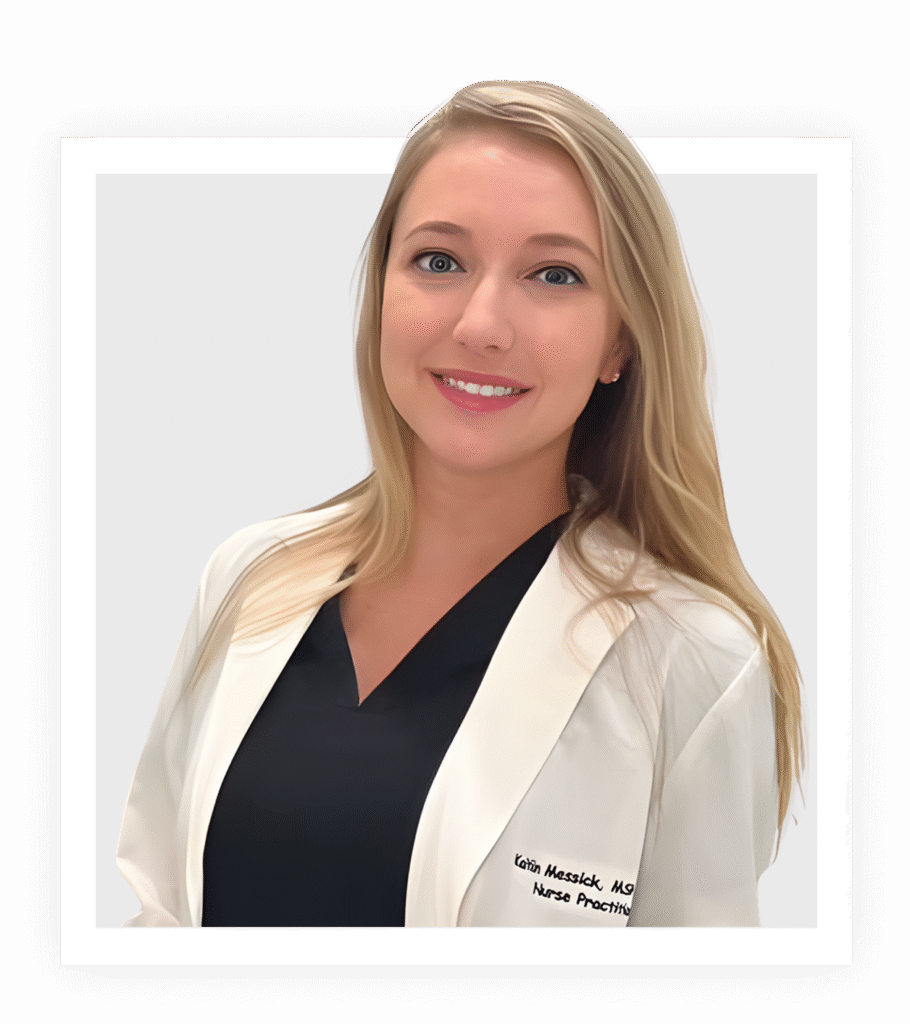
Kaitlin Messick - FNP
Active Acne Treatments
Listed below are the procedures our dermatologists perform to safely and efficiently treat acne:
Chemical Peels:
Pimples can originate due to an accumulation of old skin cells, which clog the pores. Our dermatologists apply the chemical peels on the treatment site to gently exfoliate and remove dead skin cells. This can clean your pores deeply and give you acne-free and flawless skin.
Benefits:
- Clears up blackheads, whiteheads, and superficial pimples.
- Decreases post-inflammatory hyperpigmentation (dark spots).
- Makes the skin all over smoother.
- Increases the uptake of other acne drugs/serums.
Downtime & Recovery:
The majority of patients have redness, mild peeling, and sensitivity that lasts 3-7 days. During this time, avoid using makeup and other harsh skincare products.
Microneedling:
Microneedling involves the use of tiny needles to prick the skin. This is done to enable the skin to build more collagen. Elevated amounts of collagen can boost the skin’s cell production rate. These cells aid in reducing the comedones to make your skin look fresh and clear.
Benefits:
- Removes faded acne scars, pitted scars, and uneven texture.
- Large pores are usually associated with oily and acne-prone skin.
- Makes the skin firmer and smoother.
- It may be used together with platelet-rich plasma (PRP) to maximize recovery.
Downtime & Recovery:
You will experience 24-72 hours of redness, swelling, and mild sensitivity. The majority of patients can resume normal routines within one day, but it takes time, 4-6 weeks, before improvements are achieved due to the rebuilding of collagen.
Laser Therapy for Acne:
During this, the patient’s flared-up skin is targeted by the rays of the laser. This actually terminates any bacteria that might be the main cause behind the emergence of acne. It also works wonders in reducing the size of comedones to calm the inflammation of even severe acne.
Benefits:
- Kills bacteria that cause acne ( Cutibacterium acnes).
- Minimizes active breakout and inflammation.
- Dilates blood to the skin to repair and smooth acne scars.
- Enhances the skin colour, texture, and pigmentation within a single session.
Downtime & Recovery:
Downtime depends upon the type of laser. Light therapies such as blue/red light have little to no downtime and generate minimal redness over several hours. Fractional CO2 laser gives redness, swelling, and peeling for 5-7days till results are seen.
Your Acne Treatment JOURNEY
Consultation Session:
During the consultation session, our doctors will look into any medical conditions you might have. Then, they would identify your skin type, the severity, and the type of your acne. They will also consider any genetic or hormonal factors that might be triggering your acne. They can rule out any food allergies that might be the cause of your acne.
Customized Intervention Plan:
After an extensive analysis, our highly trained dermatologists will devise an action plan for treating your acne, created specifically for you to get maximum benefits out of your sessions.
Pre-Care Instructions:
Before you start your procedure, below are a few of the precautions you should take:
- Wash your face before your appointment.
- Refrain from wearing any makeup products on your skin during your session.
- Omit any skin actives from your skincare two weeks before your session.
- Wear loose and comfortable clothing during the procedure.
- Keep your hair tied up when you come for your appointment.
Post-Care Instructions:
It is significant to prioritize the healing of your skin after you get the procedure done. Any negligence can lead to inconsistent results. The following are a few instructions you should follow:
- Don’t go directly into the sun for at least 48 hours after you are done with your session.
- Never forget to apply sunscreen after stepping out of the house.
- Don’t apply anything active on your skin unless you have consulted with your dermatologist.
- Regularly wash your bedding with a gentle detergent to avoid any infection.
See Real Transformations


Recovery period and the Duration of Results of Acne Treatments
Treatment Name | Recovery Time | Duration of Results |
3-7 days for redness, peeling, and sensitivity to settle for moderate peels. Intense peels require up to 2 weeks. | Outcomes appear slowly and may take several sessions. Peels are regularly advised every 4-6 weeks to maintain. | |
Early redness and swelling clear over 24-72 hours, and it takes approximately 5-7 days before the skin heals completely. | Scars and texture develop within 4-6 weeks of improvement. The results are durable (the duration of results is usually 6 months to 1 year), but can be maintained by follow-up appointments. | |
Laser Therapy | Redness only takes several hours a day to fade. Ablative/fractional CO 2 lasers take 5-7 days to recover. | The outcome can be seen within several weeks and lasts one or two years under appropriate attention. Depending on the level of acne and lifestyle, maintenance might be required. |
Common Myths and Facts About Acne
Myths | Facts |
Only teens get acne. | Anyone from any age group can have acne. |
Draining pus from zits can heal them faster. | It can lead to permanent scars. |
Sunscreen results in developing acne. | A lightweight sunscreen reduces acne. |
Sun rays can dry up your acne. | UV rays from the sun can worsen your acne |
Only women have acne. | Both men and women can have acne. |
Skin Care Recommendations for Acne-Prone Skin
However, dealing with acne does not end with medication; your skincare routine is also important in dealing with acne breakouts and avoiding acne scars on your skin. We help patients to follow personalized plans at Enfield Royal Med Spa, however the following are some of the general rules to consider:
| Skin Care | Details |
|---|---|
| Mild Washing Three Times a day | Wash oil, dirt, and impurities with a mild, non-comedogenic cleanser, without over-drying the skin. Too much washing or rough scrubs may irritate and aggravate acne. |
| Select Non-Comedogenic Products | Whether it is a moisturizer or a sunscreen, you always want to pick those items that say non-comedogenic so they do not get in your pores. This increases the possibility of preventing new breakouts. |
| Hydrate Your Skin | Use light oil-free moisturizers that do not add shine or block up pores. |
| Apply Sunscreen Daily | Exposure to the sun has been found to darken acne scars and slow down healing. An SPF 30 or above of either gel or water-based skin protector is best for acne-prone skin. |
| Avoid Over-Exfoliation | Exfoliation aids in shedding the dead cells of the skin, but excessive exfoliation or rubbing with coarse exfoliants may damage the skin barrier. Follow instructions on the use of chemical exfoliants (such as salicylic acid) under the supervision of an expert. |
| Hands Off Your Face | Picking, squeezing, or touching pimples transmits bacteria and has a high chance of scarring. Avoid touching your face to have clear skin. |
| Balanced Diet and Hydration | Keep intake of high-sugar, processed food as well as dairy to a minimum, which can cause acne in certain people. Consume a lot of water to cleanse the toxins and help the skin to heal. |
Faqs
It is entirely dependent on how severe your blemishes are and which type of treatment you actually got. But it takes at least 6 to 12 weeks before any noticeable improvements are seen. Better and faster results can be observed when you are getting combined procedures.
It can depend, as you will need to know if certain foods are triggering your skin to break out. Also, if you have severe hormonal or genetic acne, you might not see any change in your skin with a healthy diet alone, and you would need to get proper treatment.
Yes, there are many key factors, like the amount of oil, the pore size, as well as an imbalance of hormones. All these play a pivotal role in determining how susceptible your skin is to acne. Therefore, skin blemishes are inherited from parents to offspring.
You should have very realistic expectations about the appearance of your skin after you go through with this procedure. After looking at the severity of your comedones and scarring, your dermatologist can better guide you about how much the texture and appearance of your skin will improve.
Aggressive approaches like chemical peels can make your skin flaky, so purging is expected. But it is a necessary evil to get rid of your acne. But after the recovery period, and by taking all the after-care precautions, your skin barrier will be completely healed.
Sweating cannot cause acne. But if you don’t maintain hygiene, especially after you hit the gym, it is most likely that sweat and increased oil production would lead to clogged pores, which would most likely result in the formation of acne.
Yes, we customize all our sessions based on each patient’s skin tone to get effective outcomes. Certain modifications are made by our team, like setting the laser intensities for treating darker skin tones, to avoid damaging the skin.
Yes, people who have oily skin have an elevated possibility of getting acne, as the build up of oil on their skin can lead to more sebum pile-up. This creates more clogged pores, leading to acne.
Schedule Your Injectable Today!
If you want your acne to be the issue of the past, and want a clear skin, free of acne marks are scarring, book an appointment with the highly trained dermatologists at our Med Spa, by filling out the form given below:
request for quotation & consultation
To schedule a free consultation
or receive our detailed price list by email, complete the form.