PRP Injections, Bridgewater, NJ
PRP injections are an autologous regenerative therapy involving the injection of a concentrated fraction of the patient’s own blood into specific areas of the body to provide platelets and bioactive growth factors for the tissues. A small blood sample is drawn, spun down, and concentrated to isolate and concentrate the platelet-rich blood, and then injected into the treatment area. PRP is applied in aesthetic and regenerative medicine to aid in the remodeling of collagen, repair of tissues, skin rejuvenation, and hair restoration. As per a 2024 systematic review, 21 randomized trials evaluated and also proved the effectiveness of PRP for increasing hair density and thickness.
PRP Microneedling is commonly referred to as a “Vampire Facial®” and is a combination of controlled microneedling and topical delivery or application of platelet-rich plasma for facial rejuvenation. Microneedling opens up small channels and stimulates the skin’s healing process; meanwhile, PRP delivers platelet-rich plasma and growth factors to the area being treated. PRP Microneedling is also tested for potential issues such as acne scars, rough skin texture, wrinkles, enlarged pores, and loss of skin elasticity.
PRP Injections and Microneedling sessions are customized at Enfield Royal Clinic Medspa Serving Bridgewater located in Branchburg, NJ (about 7 miles from our clinic (~14 min drive) via US-22, with US-202/206 ) to address concerns ranging from thinning hair and androgenetic alopecia, acne scarring, fine lines, uneven texture, and loss of skin firmness. Patients can easily access our PRP treatment medspa near Bridgewater, NJ, from Bradley Gardens, Finderne, Martinsville, Green Knoll, Flagtown, Bound Brook Road, Route 22, Somerville Road/Route 202, Bridgewater Commons, TD Bank Ballpark, Country Club/Foothill Road, North Bridgewater, South Bridgewater, East Bridgewater, and West Bridgewater
How Are PRP Injections Prepared?
PRP is prepared by taking and processing a small amount of blood from the patient to separate and concentrate the platelets.
Blood Collection: A standard blood collection procedure collects a small amount of blood from the patient.
Centrifugation: The blood sample is placed in a special medical machine called a centrifuge. The blood components are separated by the controlled centrifugal force based on their density.
Separation of Blood Components: Centrifugation is the separation of the whole blood into its principal components.
- Red blood cells
- Blood cells that fight infection.Blood cells that defend against infection.
- Plasma
- Platelets
Isolation of Platelet-Rich Plasma: The platelet-rich portion of the plasma is carefully isolated from the other blood components. This fraction has high concentrations of platelets, plasma, growth factors, and bioactive proteins.
What is PRP Composed of?
Platelets:
Thrombocytes are tiny blood cells called platelets that travel through the blood. Their major physiological function in the body is to help control bleeding and promote healing of wounds. In addition to the formation of clots, platelets have internal granules called alpha granules and dense granules that contain a large number of growth factors, cytokines, proteins, and signaling molecules.
These biological mediators are released from platelets into the surrounding tissue when activated. This activity is beneficial to a number of processes related to cell-to-cell communication, tissue repair, collagen production, angiogenesis, and extracellular matrix remodeling in PRP therapy.
Plasma:
The liquid portion of blood, where the platelets are suspended, is plasma. It contains water, proteins, electrolytes, nutrients, and hormones. Proteins in plasma are involved in tissue repair, such as fibrinogen, involved in the formation of a fibrin matrix during the body’s natural healing process.
Growth Factors:
PRP contains numerous important growth factors involved in regenerative and cellular processes. These include:
- Platelet-Derived Growth Factor (PDGF): Promotes cell growth, tissue repair, and extracellular matrix function.
- Transforming Growth Factor-Beta (TGF-β): Regulates tissue remodeling, cellular differentiation, and collagen-related processes.
- Vascular Endothelial Growth Factor (VEGF): Promotes angiogenesis (new blood vessels) and vascular function.
- Epidermal Growth Factor (EGF): Involved in the activities of epidermal cells, tissue repair, and skin regeneration.
- Insulin-Like Growth Factor-1 (IGF-1): Promotes and facilitates the growth, proliferation, and maintenance of healthy tissues.
Cytokines and Bioactive Proteins:
PRP consists of Cytokines and bioactive proteins involved in cell signaling and inflammatory regulation. All of these play a role in the intricate communication that must occur between these components to repair and regenerate tissues.
What are the Aesthetic Uses of PRP Injections?
- Fine Lines & Early Wrinkles: PRP increases the creation of collagen, thus reducing the appearance of early aging.
- Less Wrinkles and Other Aging Signs: With PRP, you can minimize wrinkles and make your skin look younger and fresher.
- Skin Elasticity: PRP controls the production of collagen and elastin and contributes to improving the skin’s elasticity and tightness.
- Dull-Looking Skin: PRP is used to improve the condition and state of the skin.
- Acne Scars: PRP is one of the ways to combat acne scars and can be applied with microneedling.
- Under-eye rejuvenation: The skin around the eyes tends to show early signs of aging due to thinness. As an individualized aesthetic treatment, PRP can help with this issue.
- Neck & Décolletage: PRP is used not only on the face but also on other parts of the body in order to tackle visible aging skin problems.
- Hand Rejuvenation: PRP’s rejuvenating properties can be helpful in revitalizing the skin of the hands.
How Does PRP Help in Skin Rejuvenation?
Growth factors like PDGF, TGF-β, VEGF, EGF, FGF, and IGF-1 are found in PRP. These biological mediators act on the cells that are involved in the process of skin regeneration, such as fibroblasts, which synthesize important constituent elements of the dermis. The treatment supports:
- Collagen synthesis
- Fibroblast activity
- Cellular regeneration
- Tissue remodeling
- Extracellular matrix support
- Skin texture improvement
- Overall skin quality
PRP Injections for Hair Restoration
Platelet-Rich Plasma (PRP) Therapy is a non-invasive treatment process that uses stem cells to treat hair loss, thinning hair, and hair loss in general. In PRP for hair restoration, the platelets and growth factors from the blood of the patient are extracted and injected into the scalp.
Individual hair follicles determine the growth of hair. Genetics, hormonal shifts, age, and scalp condition can all have an impact on the normal hair growth cycle, causing hair loss and hair thinning. PRP treatment is a medical therapy that promotes the biological surroundings of the hair follicles and is extensively used in contemporary hair replacement strategies. PRP therapy is frequently used to treat:
- Androgenetic alopecia
- Male pattern balding.
- Hair loss in women is also referred to as female pattern hair loss.
- Diffuse hair thinning
- Reduced hair density
- Early-stage hair loss
- Thinning around the crown area.
- Hair loss at the top of the head.
Can I Combine PRP with Microneedling?
Platelet-Rich Plasma (PRP) combined with microneedling constitutes a more advanced form of therapy that allows one to achieve the effect of improvement of skin texture, collagen synthesis, as well as reduction of visible signs of skin aging. This therapy is a combination of two clinically tested methods: Collagen Induction Therpay (Microneedling) and PRP.
Microneedling involves using a medical instrument equipped with tiny sterilized needles that create microscopic channels on the skin surface. Such channels stimulate the physiological mechanisms of wound healing and activate biological mechanisms for repairing tissues and dermal remodeling.
How Does Microneedling Work?
Microneedling causes several phases of skin repair, such as:
- Inflammatory response
- Cellular proliferation
- Fibroblast activation
- Collagen synthesis
- Elastin production
- Neovascularization
- Extracellular matrix remodeling
These processes over time help to improve the structure, texture, and quality of the skin.
Who Requires Additional Evaluation Before PRP Injections?
PRP Injection or Microneedling is not appropriate for everyone. Here are the few individuals who need additional evaluation:
- Active Infection
People who have a skin infection, scalp infection, or systemic infection should wait for the infection to clear up before undergoing PRP.
- Blood and Platelet Disorders
Platelet count, platelet function, and clotting processes are affected by conditions, making PRP treatment less suitable and effective.
- Cancer or certain types of malignancy.
People currently facing cancer treatment must be evaluated and cleared by a medical professional before receiving PRP and other regenerative beauty procedures.
- Severe Anemia
If the person has lower-than-normal levels of hemoglobin or major anemia, they are not suitable for a treatment that involves taking blood.
- Chronic Liver Disease
Severe liver disease has an impact on platelet production and blood clotting, so proper medical evaluation is needed prior to PRP.
- Use of Anticoagulants or “Blood Thinners”.
Blood-thinning and antiplatelet drugs impact platelets and blood clotting. Patients must seek medical advice from their prescribing doctor before treatment.
- Active Autoimmune or Systemic Conditions
Medical evaluation is needed to assess the individual case of autoimmune and systemic inflammatory conditions and determine the treatment relative to the activity of the disease and other ongoing treatments.
- Pregnancy and Breastfeeding
Elective PRP (aesthetic) procedures are usually delayed during a pregnancy or lactating period.
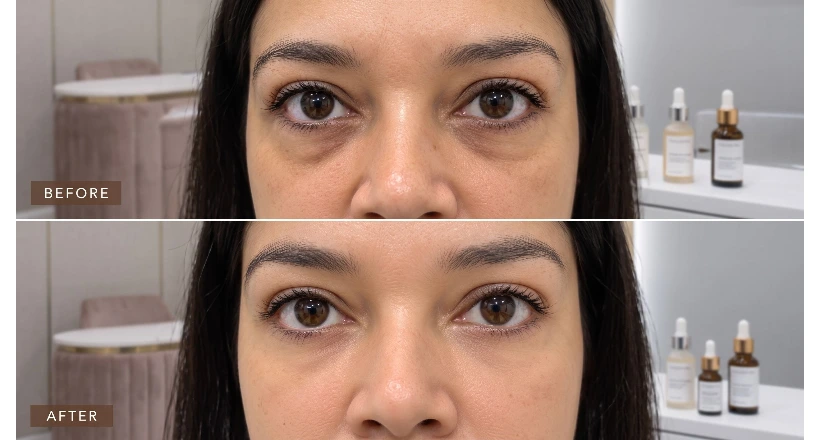
See PRP Injections Results
Lorem ipsum dolor sit amet, consectetur adipiscing elit. Ut elit tellus, luctus nec ullamcorper mattis, pulvinar dapibus leo.
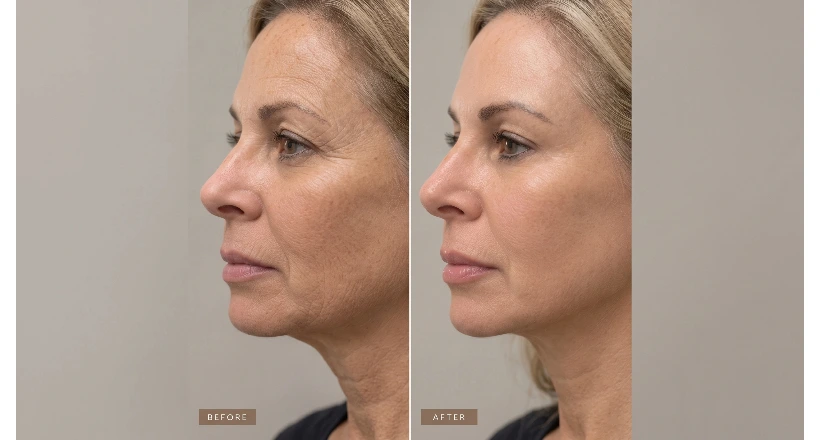
PRP injections for facial rejuvenation may support collagen production, improve skin texture, and restore a smoother, refreshed appearance with naturally subtle results over time.
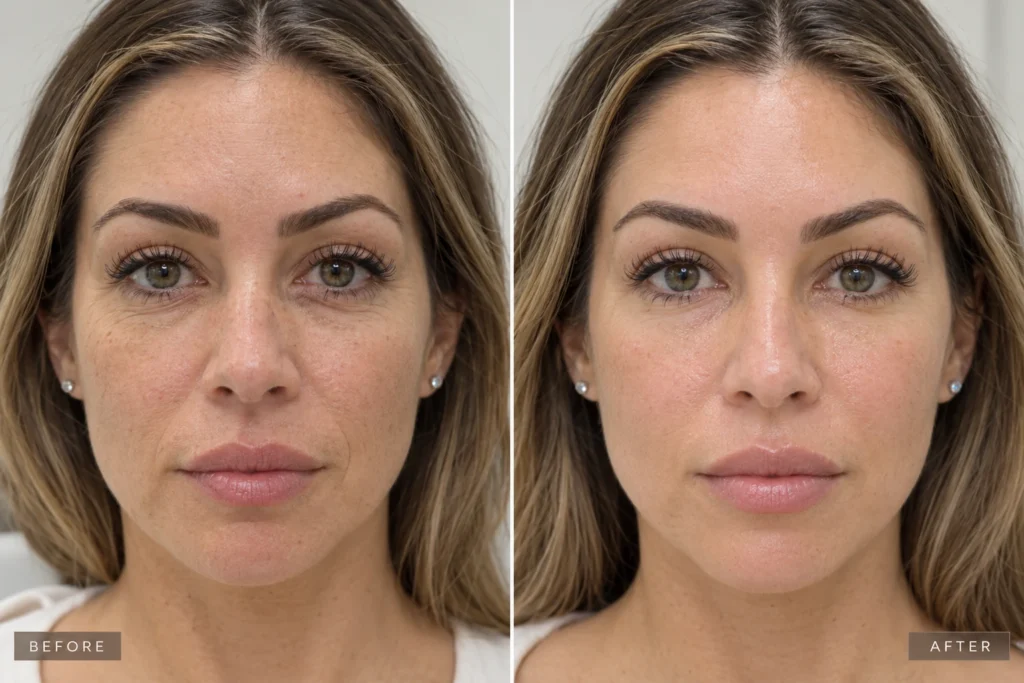
PRP injections for aging skin may support collagen production, improve skin texture, and promote a smoother, refreshed appearance with naturally subtle results over time.
What are the Side Effects of PRP Injections treatment?
Common and Temporary Side Effects
Most side effects occur after PRP injections:
- Occasional pain/discomfort at the treatment site
- Redness and erythema
- Localized edema or swelling.
- Tenderness
- Bruising
- Temporary itching
- Bleeding at the injection sites (not severe)
- Tightness or sensitivity
- Pain and discomfort of the scalp after the PRP hair transplantation procedure.
- Skin sensitivity and redness afterwards.
Zainab Mirza, MD
Zainab Mirza, MD
Reem Malik
Reem Malik
Yenny P. Martínez Torrente
Yenny P. Martínez Torrente, RN, BSN
Why Choose Enfield Royal Clinic, Branchburg, for PRP in Bridgewater, NJ?
- Detailed Initial Consultations and PRP Injection Plans formulated by Expert Physicians
- Professional licensed Practitioners in New Jersey, with extensive knowledge about facial anatomy.
- Medically approved and Tesackground and current medications.
- Individualized injection plans for safety and maximum results.
- In-depth aftercare and maintenance schedules
- Post-treatment consultation visits for feedback on the results
Faqs
PRP injections result in temporary stinging, pressure, or soreness at the injection site. A topical or local anesthetic can be applied for comfort, particularly when multiple injections are necessary or when the area to be treated is sensitive.
The number of sessions varies according to the area being treated, the severity of the concern, and how the individual responds to the sessions. Hair restoration and skin rejuvenation can take a series of treatments, followed by maintenance treatments based on clinical evaluation.
PRP is generally done for aesthetic reasons to revitalize the skin or to enhance hair growth, and is not normally covered by insurance. Insurance coverage for PRP that has a medical indication will depend upon the type of insurance and condition.
PRP treatment is not contraindicated in individuals of any age. In the case of seniors, chosen skin rejuvenation and hair restoration can be accomplished; however, the success rate varies based on the quality of the skin, blood flow, health conditions, medications, and reason for hair loss.
The results of PRP are not permanent, as they are dependent on continued tissue remodeling and regeneration of the body. Benefits may take several months to appear, and maintenance sessions may be suggested based on the area being treated and the response to treatment.
Restore Skin & Hair with Personalized PRP Treatments Near Bridgewater, NJ
Platelet-rich plasma (PRP) injections and PRP Microneedling employ your own platelet-rich plasma cells to help the body heal and regenerate itself. The treatments are regenerative and customized for those who want to enhance the look and feel of their skin or combat some types of hair loss.
Enfield Royal Clinic in Branchburg, NJ, considers each patient’s concern, skin or scalp condition, treatment history, and aesthetic goals into consideration when creating a PRP treatment plan. Physician led PRP injections, PRP Microneedling, hair restoration and regenerative aesthetic treatments are all within local reach for patients who live in Bradley Gardens, Finderne, Martinsville, Green Knoll, the Flagtown Road (Route 22) corridor, the Bound Brook Road corridor, Somerville Road/Route 202 corridor, Bridgewater Commons, TD Bank Ballpark, the Country Club/Foothill Road corridor, North Bridgewater, South Bridgewater, East Bridgewater or West Bridgewater.
Schedule your PRP consultation today and get your personalized PRP sessions.
request for quotation & consultation
To schedule a free consultation
or receive our detailed price list by email, complete the form.